
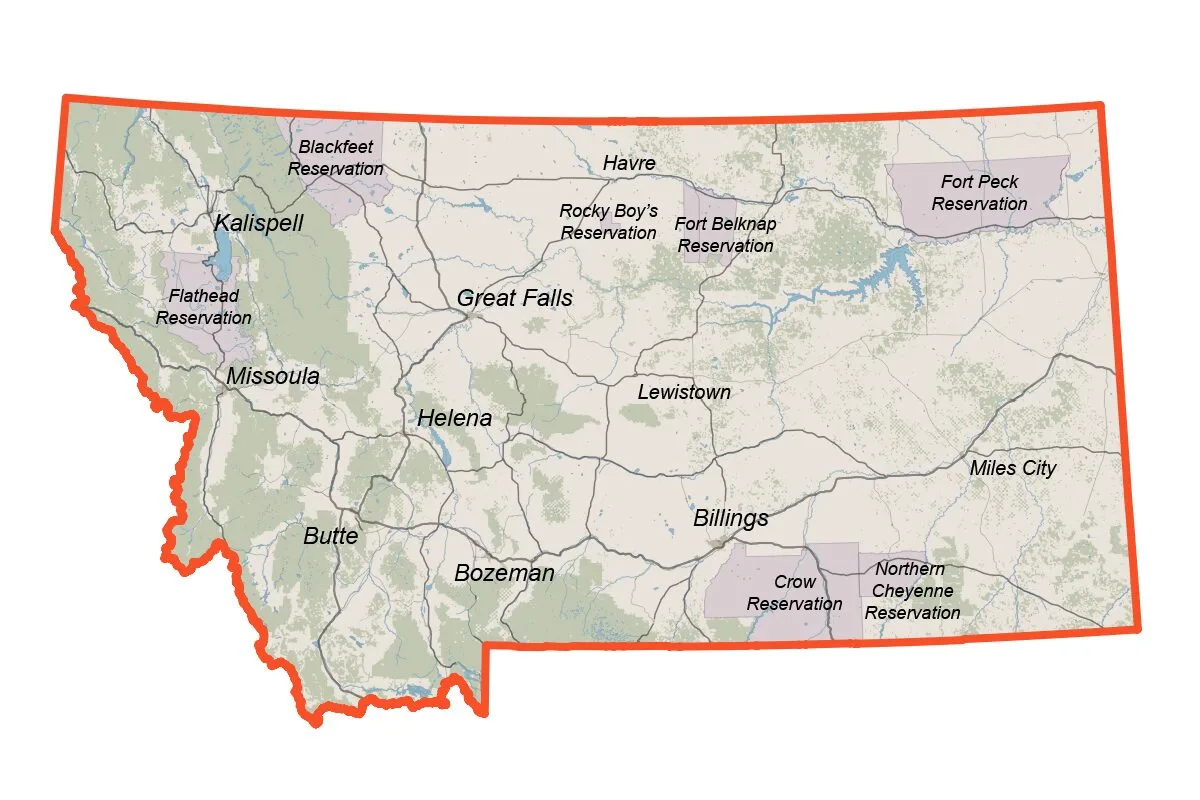
In the 2026 election, Montana voters will select candidates to fill six federal and state offices, plus 100 House seats and 25 Senate seats in the state Legislature.
Elections can be baffling to track even for voters who diligently follow political news. This digital election guide, a project of the nonprofit and nonpartisan Montana Free Press newsroom, is an effort to ensure that basic information is available so voters have the opportunity to cast informed votes.
The 2026 primary election, in which voters picked political party nominees to advance to the general election, was held Tuesday, June 2. The 2026 general election will be held Tuesday, Nov. 3.
Federal Delegation
U.S. Senate




No party affiliation

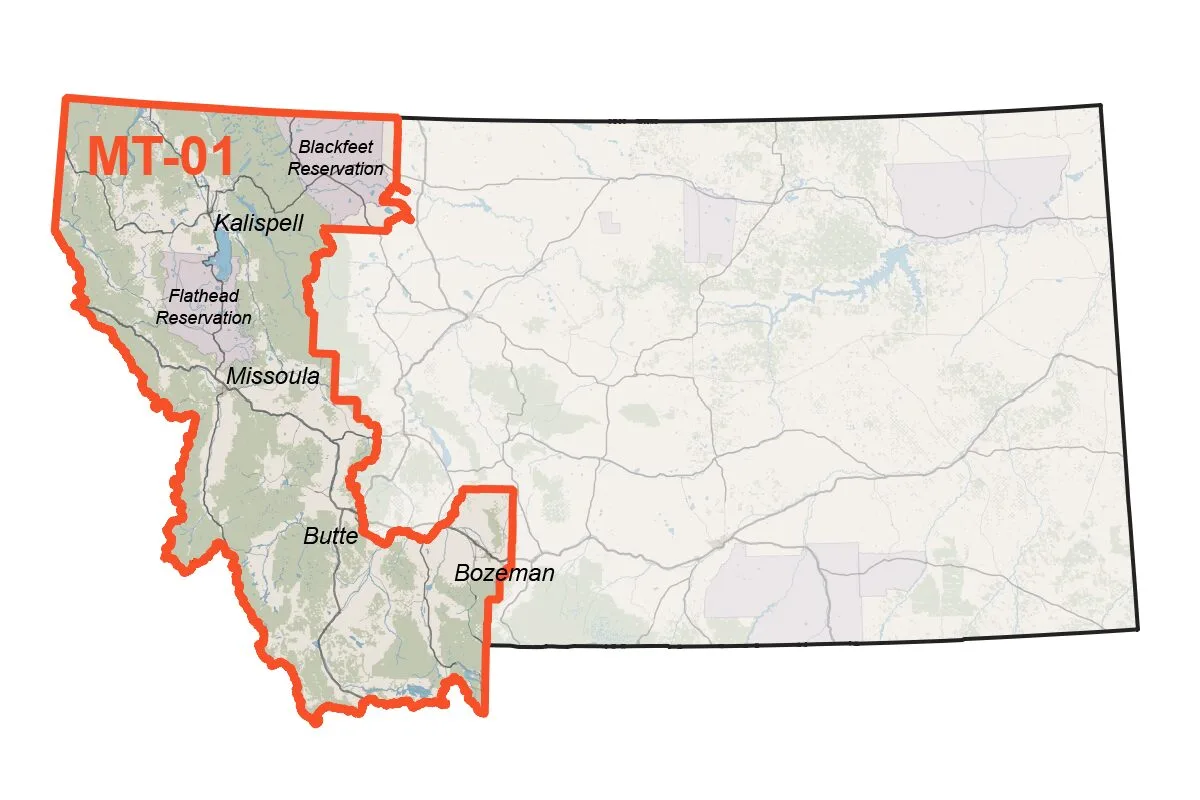
U.S. House District 1 (West)



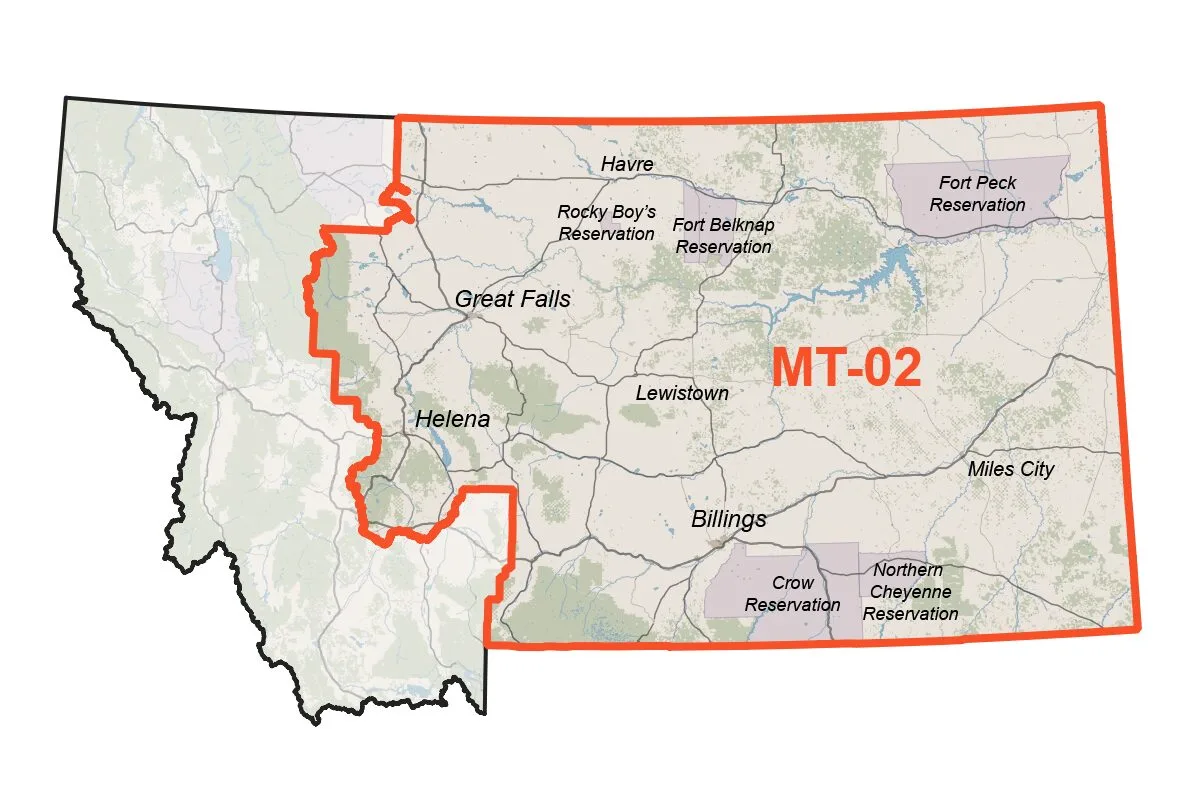




Montana State Legislature
Montanans elect 100 state representatives to two-year terms and 25 of 50 state senators to four-year terms in each even-year election. This year's election is the second to be conducted using a new legislative district map drawn to account for population shifts recorded by the 2020 census. Each Senate district is composed of two House districts.
House District 1
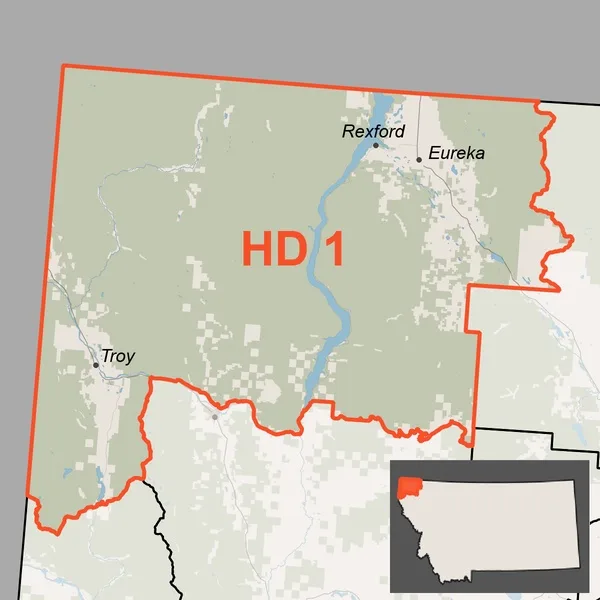
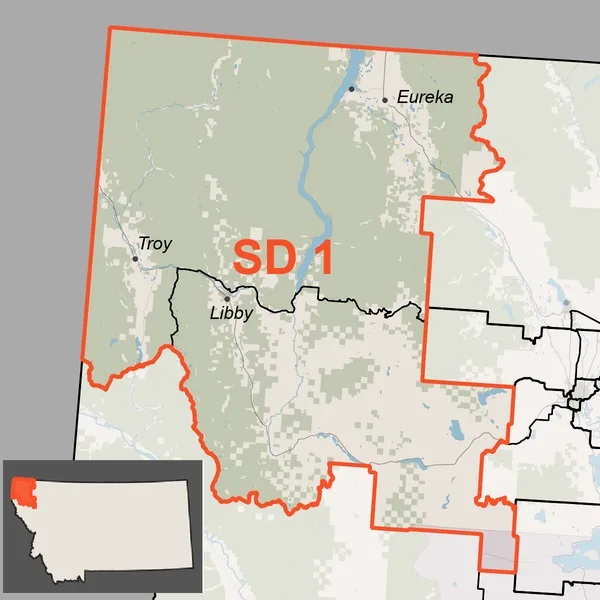
Senate District 1
Montana Supreme Court


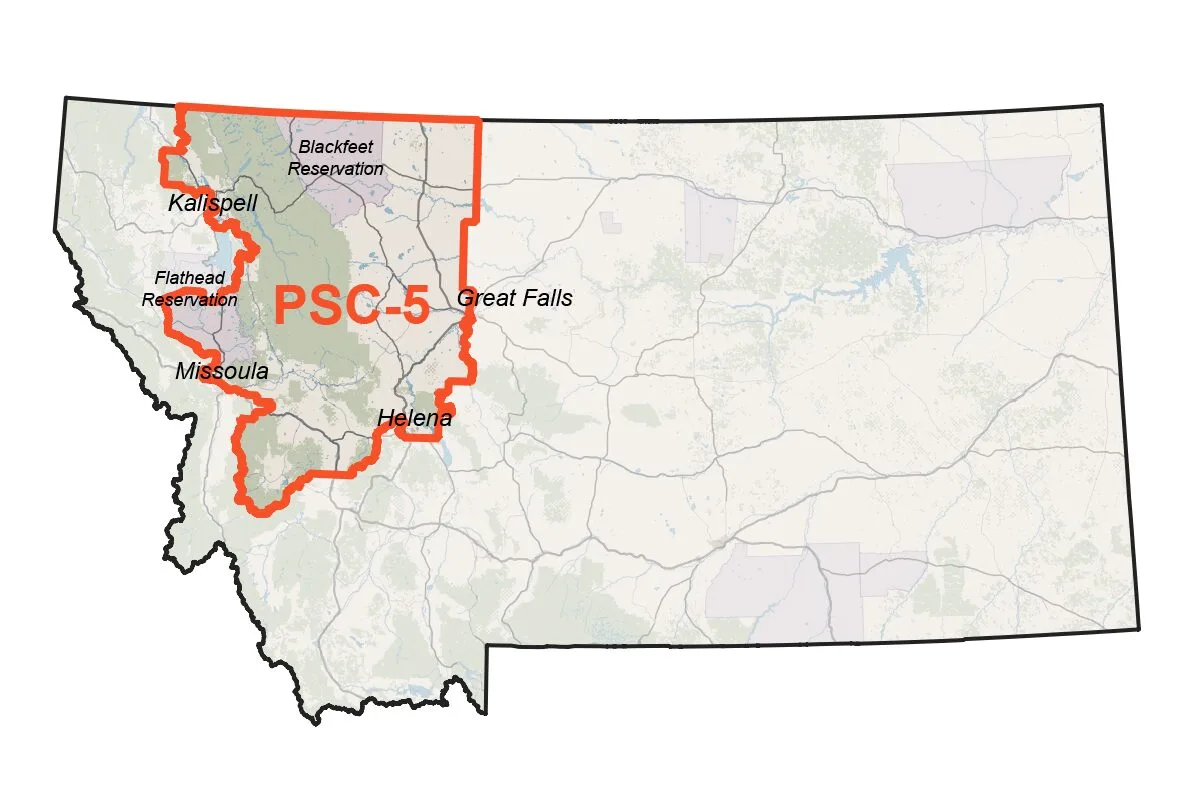
Public Service Commission
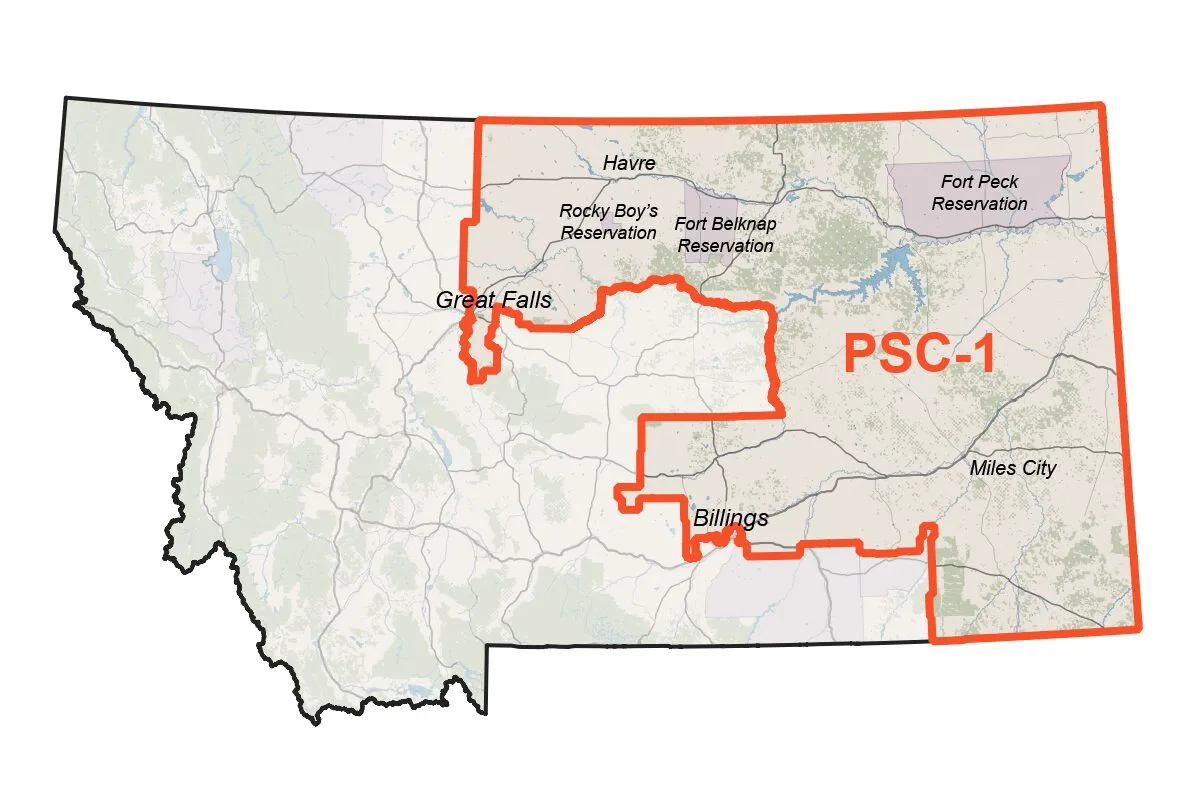
Public Service Commission (Seat 1)




Other ballot items
November general election ballots may also include other items such as county commission races, depending on where in the state you live.
Common Voting Questions
When are Montana’s 2026 elections?
Voters selected party nominees for the November general election in the June 2 primary. The November general election that will decide the ultimate winner in each race is set for Tuesday, Nov. 3.
Who runs Montana’s elections?
Montana elections are administered at the county level. The process is overseen by county clerks and election administrators, who help to train and monitor the volunteer election judges who staff the polls. Ballots are typically processed and counted at central county locations, with the results reported to the Montana secretary of state’s office via a statewide software system called ElectMT.
Once polls close, the secretary of state’s office provides results through its website. The state-level office also provides guidance to local election administrators to ensure compliance with state election laws. Enforcing compliance with some laws governing political campaigns, particularly those involving campaign finance, falls to a separate office known as the Commissioner of Political Practices.
Do I need to be registered in order to vote?
Yes. If you’re unsure about your registration status, you can check it through the Montana secretary of state's My Voter Page. You can register to vote by stopping by your county election office any time during regular business hours to pick up an application. After you’ve filled it out, you’ll need to get the application back to your county election office by mail or in person (the latter option is strongly recommended close to Election Day to ensure your application is received in time). If you do present your application in person, you’ll have to provide a photo ID or the last four digits of your Social Security number. If you happen to be applying for a Montana driver’s license or identification card before the election, you can register to vote at the same time.
Can I register to vote on Election Day?
Yes. The 2025 Legislature tried to restrict Election Day voter registration, but a May 11 court order blocked those changes, so pending further court action, voters can still register to vote up until 8 p.m. on Election Day.
Does Montana have voter ID requirements?
Yes, and some of them are new after the 2025 legislative session. That’s when lawmakers passed and Gov. Greg Gianforte signed Senate Bill 276, which implements a new photo ID requirement. (Previously, registrants could use mail addressed to them or fill out a form to vote without photo ID.) Accepted forms of photo ID for voting in 2026 are a valid Montana driver's license or Real ID, Montana state identification card, military ID, tribal photo ID, U.S. passport, Montana concealed carry permit, or Montana university system photo ID.
Are there situations where I wouldn't be eligible to vote?
According to state law, you can't vote if you'll be under age 18 on Election Day, are not a U.S. citizen, or have lived in Montana for less than 30 days. Convicted felons who are currently incarcerated in a penal facility and people whom judges have ruled to be of "unsound mind" are also ineligible to vote. Otherwise, you're good to go.
Can I vote by mail?
Yes, you can sign up as an absentee voter by checking a box on your voter registration form. If you’re already registered to vote, you can fill out a separate form and submit it to your county election office.
If you’re registered as an absentee voter, a ballot should be mailed to you a few weeks in advance of each election day. You can make sure your address is current via the My Voter page. County election officials are slated to mail ballots to voters for the November 2026 General Election Oct. 9.
In 2025, legislators passed a law requiring that voters write their year of birth in addition to their signature on the affirmation envelope for their ballot to be accepted.
You can return ballots by mail, or drop them off in person at your county’s election office. Either way, the election office must receive your ballot by 8 p.m. on Election Day in order to count it.
Be aware that another 2025 law, House Bill 719, now requires that voters write their year of birth alongside the required signature on all mail ballot envelopes. Mail ballot envelopes without a birth year may be rejected. Again, you can check the status of your ballot on the secretary of state’s website.
How do I vote in person?
If you plan to vote at the polls, just be sure you know where your polling location is and head there between 7 a.m. and 8 p.m. on Election Day. You'll need to provide a photo ID or other accepted form of identification and sign the precinct register, at which point you’ll get your ballot and be directed to a voting booth. If you have any technical questions or run into any problems, the election judges at your polling place should be able to help you.
You can also, in effect, vote early and in person at your county election office starting 30 days before Election Day by going to your local election office, requesting an absentee ballot, and filling it out there. Hours may vary, so check with your local election office for details.
I have a friend or family member who isn't able to drop off his or her mail-in ballot. Can I do it for them?
Yes, you can.
Who should I vote for?
That’s your call, not ours. We hope the information presented in this guide is helpful as you make your decision.
About this project
This guide was produced by the Montana Free Press newsroom with production by Tom Lutey, Brad Tyer, Amanda Eggert and Jacob Olness, web development by Jacob Olness, editing by Brad Tyer, and contributions from Mara Silvers, Zeke Lloyd and Stephanie Farmer. Contact Jacob Olness with questions, corrections or suggestions at jolness@montanafreepress.org.
Montana Free Press is a nonpartisan 501(c)(3) nonprofit, reader-supported news organization serving Montana. MTFP's donor base includes supporters from across Montana's political spectrum, including some Montanans who are candidates in this year's election. MTFP's major donors are listed here, and a current list of other supporters is available here. MTFP news decisions are made without donor involvement.
This material is available for republication by other media outlets under Montana Free Press' standard distribution terms.