

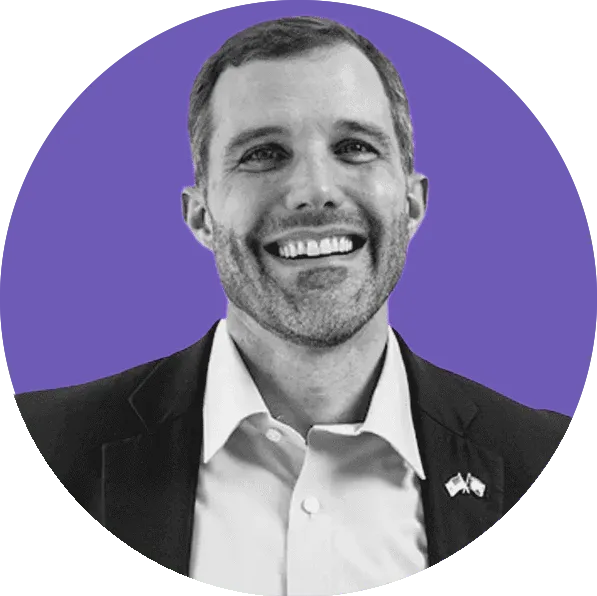
Michael Hummert
Active candidates for U.S. Senate
Republicans
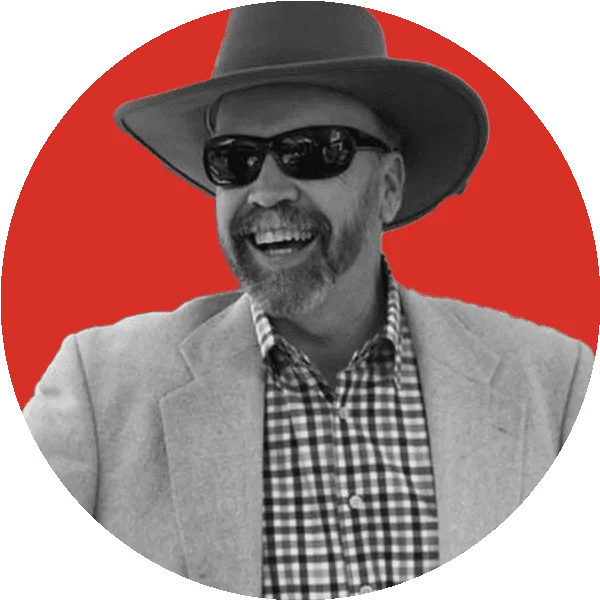
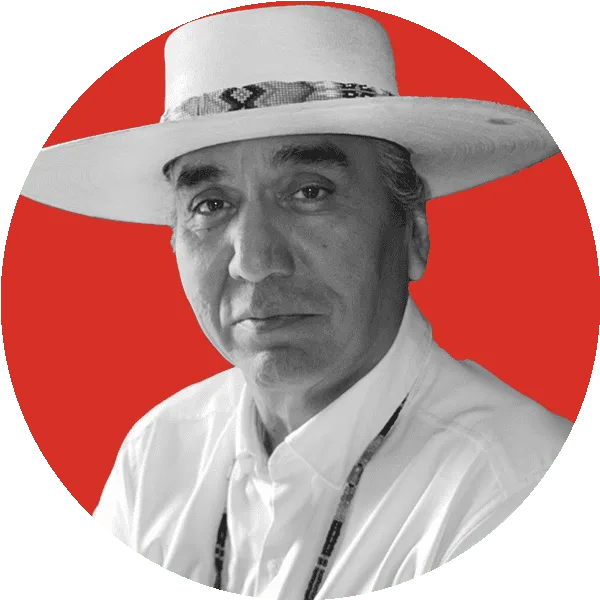


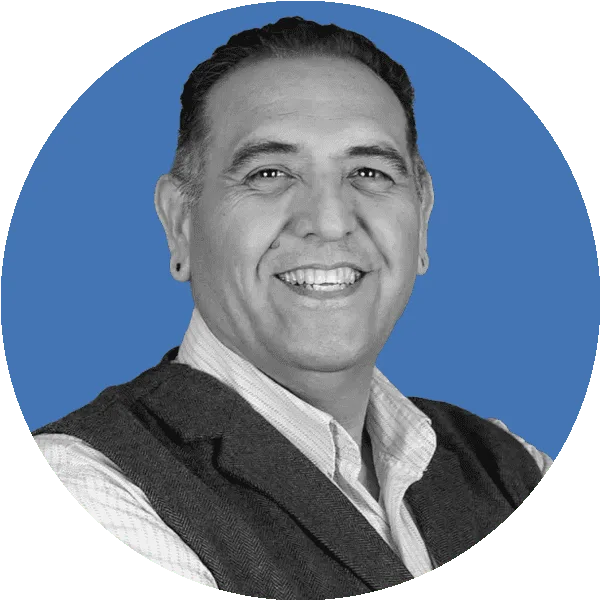


Libertarians


Independent

ON THE ISSUES
The responses reproduced here were solicited from candidates via a written questionnaire conducted by Montana Free Press in March 2026. Responses were limited to 1,000 characters and have not been edited or fact-checked.
Yes, the War Powers Resolution should be enforced. If a president deploys U.S. forces into combat for a month or longer without authorization, Congress cannot be treated as optional. The 1973 law requires the president to notify Congress within 48 hours and generally bars unauthorized hostilities from continuing beyond 60 days. But the larger problem is the 2001 Authorization for Use of Military Force signed after September 11. That law is still in effect and has been stretched far beyond its original purpose by successive presidents. I would repeal it and replace it, if necessary, with a narrowly written authorization tied to a specific enemy, place, and time limit. America should not drift into open-ended war through vague authorizations and executive habit. If force is used in our name, Congress must debate it, authorize it, and own the decision.
Rural hospitals and clinics are essential, and once they close, they are extremely difficult to bring back. Congress should start by reversing Medicaid changes that will push more patients off coverage and increase uncompensated care for rural providers. New Medicaid work requirements begin January 1, 2027, and major cuts in federal Medicaid spending are expected to increase the uninsured and add more pressure to rural hospitals. Beyond that, Washington should focus on keeping core services open, not dictating every local decision. Some communities may need consolidation, fewer layers of administration, or a more realistic mix of services to stay solvent. Montana’s own rural health plan notes that inpatient use in many rural hospitals is already below 50% of staffed capacity. My priority would be simple: keep rural providers open, protect Medicaid support, and give communities the flexibility to make practical changes before a temporary crisis becomes a permanent closure.
Three Montana issues I intend to address are forest management, illegal immigration, and drug prevention for children. First, Montana needs active forest management, not a policy of watching usable timber burn. We should increase responsible timber harvest, reduce fuel loads, and support sawmills and wood-product manufacturing. That would reduce wildfire risk, strengthen rural jobs, and make better use of our natural resources. Second, Montana is a border state, and illegal immigration is not just a southern border issue. A broken national system affects every state, including ours. I would support stronger immigration enforcement and serious reform so Montana is not left dealing with the consequences of federal failure. Third, we need a more honest approach to drug prevention. “Just say no” is not enough. Children need to be told the truth about what drugs do, how addiction develops over time, and how lives are slowly destroyed by it. Prevention starts with honesty, not slogans. How would I get it done? By respecting the proper federal role, working with Montana communities, and pushing practical solutions instead of empty talking points.
Home ownership and cost of living in Montana are affected by federal policy, but they are primarily state and local issues. The most important thing the federal government can do is restore fiscal discipline. A Balanced Budget Amendment would help reduce inflationary pressure, stabilize the economy, and ease the long-term forces that drive up interest rates, mortgage costs, and everyday prices. Mortgage rates remain elevated nationally, and the Federal Reserve continues to say inflation is still somewhat elevated. Beyond that, Washington should stop making the problem worse. The federal government should reduce unnecessary regulatory burdens, protect the value of the dollar, and avoid the kind of deficit spending that raises costs for everyone. Montana’s affordability problems are real, but the detailed solutions should come mostly from the state, local governments, and local communities, not one-size-fits-all mandates from Washington.
What would distinguish my service is simple: integrity, honesty, and putting people before corporations and political theater. Too many elected officials spend their time feeding division and arguing over wedge issues while the country’s biggest problems are ignored. I believe both parties have drifted away from the everyday American. We should be rallying the country around serious goals like a Balanced Budget Amendment, term limits, election reform, and restoring trust in government. Instead, too much energy is spent on spectacle rather than solutions. I would serve differently by speaking plainly, leading with principle, and focusing on what actually moves the country forward. I am not interested in being another career politician. I am interested in helping fix a government that has lost its discipline, its honesty, and too often its sense of duty.
MTFP COVERAGE OF Hummert
CAMPAIGN FINANCE
About this project
This guide was produced by the Montana Free Press newsroom with production by Tom Lutey, Brad Tyer, Amanda Eggert, Reilly Parisot and Jacob Olness, web development by Jacob Olness, editing by Brad Tyer, and contributions from Mara Silvers, Zeke Lloyd and Stephanie Farmer. Contact Jacob Olness with questions, corrections or suggestions at jolness@montanafreepress.org.
Montana Free Press is a nonpartisan 501(c)(3) nonprofit, reader-supported news organization serving Montana. MTFP's donor base includes supporters from across Montana's political spectrum, including some Montanans who are candidates in this year's election. MTFP's major donors are listed here, and a current list of other supporters is available here. MTFP news decisions are made without donor involvement.
This material is available for republication by other media outlets under Montana Free Press' standard distribution terms.